—Key details that are easily overlooked in paper cup production
I. Stable Raw Materials: The Best Protection for Your Machine
In paper cup production, the problem is often not "the machine is broken," but rather fluctuations in raw material quality causing abnormal machine operation.
Common but easily overlooked issues include:
Excessive fluctuations in paper weight, leading to frequent adjustments in forming pressure
Unstable coating thickness, affecting the consistency of bottom sealing and rim curling
Inconsistent paper fan cutting precision, increasing mold impact and uneven wear
These problems directly result in:
Uneven mold stress
Repeated compensation by the forming mechanism
Accelerated wear on critical components
In the long run, stable paper quality essentially extends the mechanical life of the paper cup machine.
II. Reasonable Operating Speed is More Important Than "Maximum Speed"
Many factories, after completing commissioning, attempt to operate paper cup machines near their speed limits.
In the short term, output does increase;
In the long term, this often leads to three problems:
A significant increase in the frequency of mechanical impacts
Reduced margins for errors in heating, sealing, and knurling processes
Small errors are more easily amplified into malfunctions
A more reasonable approach is to:
Choose a long-term stable operating speed
Retain safety margins for the mechanical structure and heating system
Evaluate efficiency using "stable hourly output" rather than "instantaneous maximum speed"
For paper cup machines,
stability is more important than speed.
III. Lubrication and Cleaning: The Most Easily Underestimated Maintenance Actions
In the daily maintenance of paper cup machines, lubrication and cleaning are often considered "basic operations" and are easily overlooked.
However, in reality:
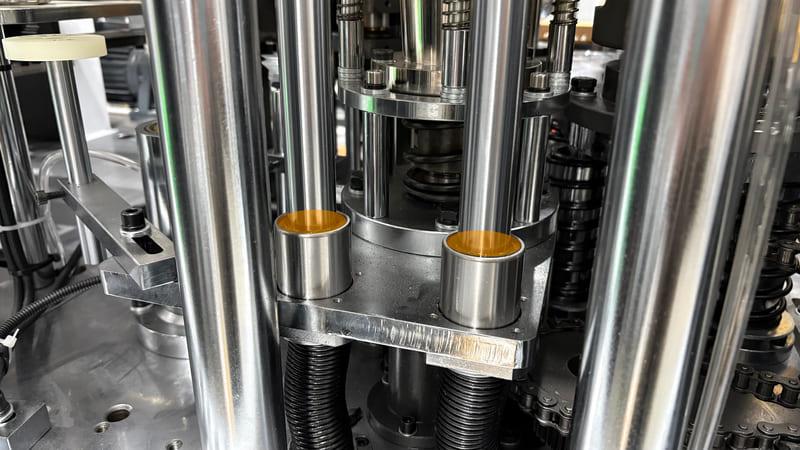
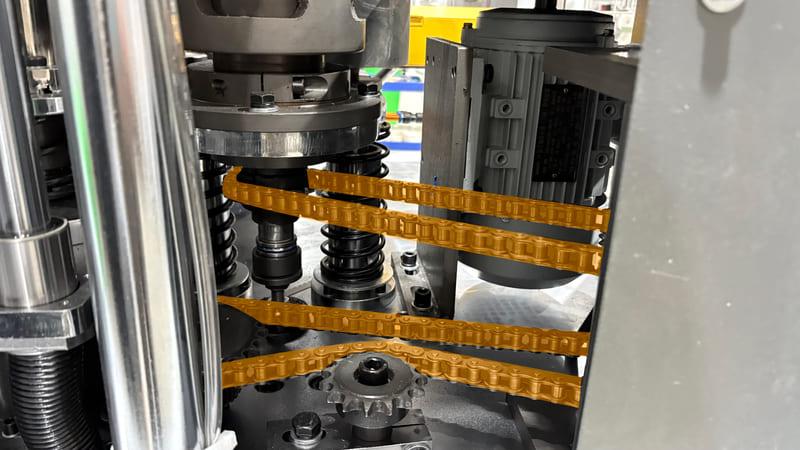
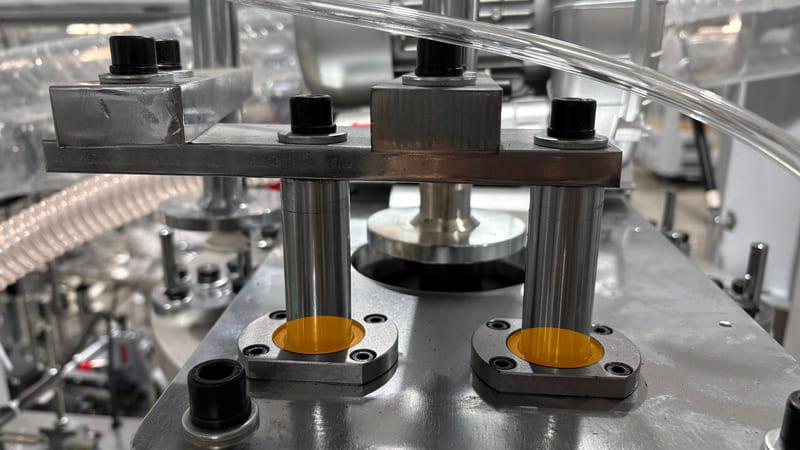
Whether bearings, slide rails, and transmission parts are properly lubricated;
whether paper scraps, glue residue, and coating residue are cleaned up in a timely manner;
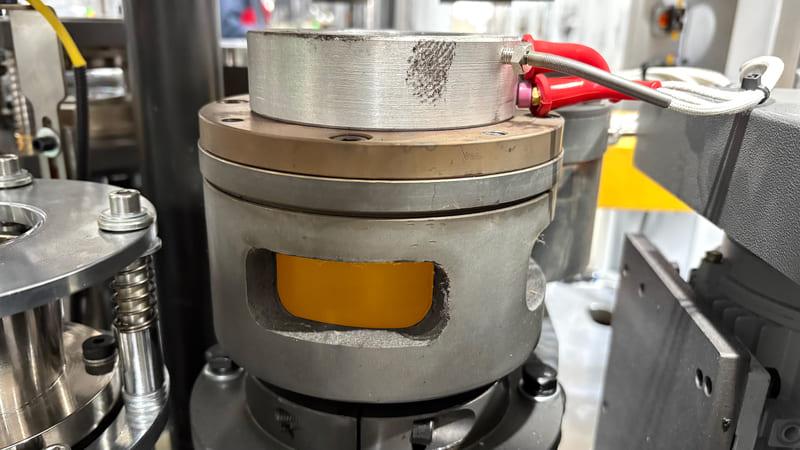
whether there is long-term carbon buildup or impurities around heating components
will directly affect:
Transmission resistance;
Temperature stability;
The wear rate of critical components.
It is recommended to establish a fixed maintenance schedule, rather than waiting for abnormalities to occur before addressing them.
IV. Standardized Operation is More Important Than Frequent Repairs
Many paper cup machine malfunctions do not originate from the parts themselves, but from improper operation, such as:
Improper mold installation or forced tightening;
drastic and repeated parameter modifications;
ignoring abnormal sounds or slight deviations.
In the long run, a single instance of improper operation can shorten the equipment's lifespan by several months.
Establishing clear operating procedures and assigning responsibilities is a crucial step in protecting the lifespan of the paper cup machine.
V. Regularly Inspect Key Components to Prevent Small Problems from Becoming Major Failures
It is recommended to focus on periodic inspections of the following areas:
The tightness of the mold and connecting parts
The stability of the heating system
The alignment accuracy of the molding station
Whether there are leaks in the vacuum and pneumatic systems
Many serious failures initially stem from a
small, controllable deviation.
The significance of regular inspections lies in resolving problems in their early stages.
Conclusion: The lifespan of a paper cup machine is determined by its usage.
A paper cup machine is not a one-time consumable device, but rather a long-term investment.
What truly determines its lifespan is not just configuration parameters, but rather:
Whether the model is selected appropriately
Whether it matches the raw materials
Whether it operates stably over a long period
Whether it is operated and maintained according to regulations.
From a production perspective, extending the lifespan of a paper cup machine essentially reduces the long-term manufacturing cost per unit of paper cup.
If a paper cup machine is used correctly, it often delivers stability and reliability far exceeding expectations.




 Tel: +86-19057361870 / +86 577 65567060
  Email: george@paper-cupmakingmachine.com
 MP/WhatsApp: +86-19057361870
 Manufacturer Address:No.1588, Huaming Road, Feiyun Street,Ruian City Zhejiang Province -325200 China