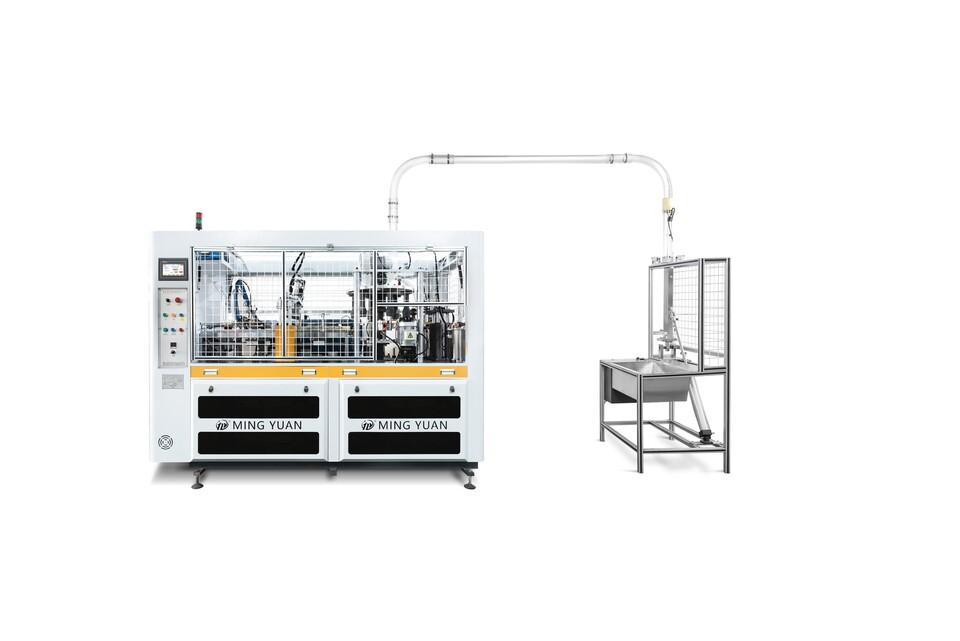
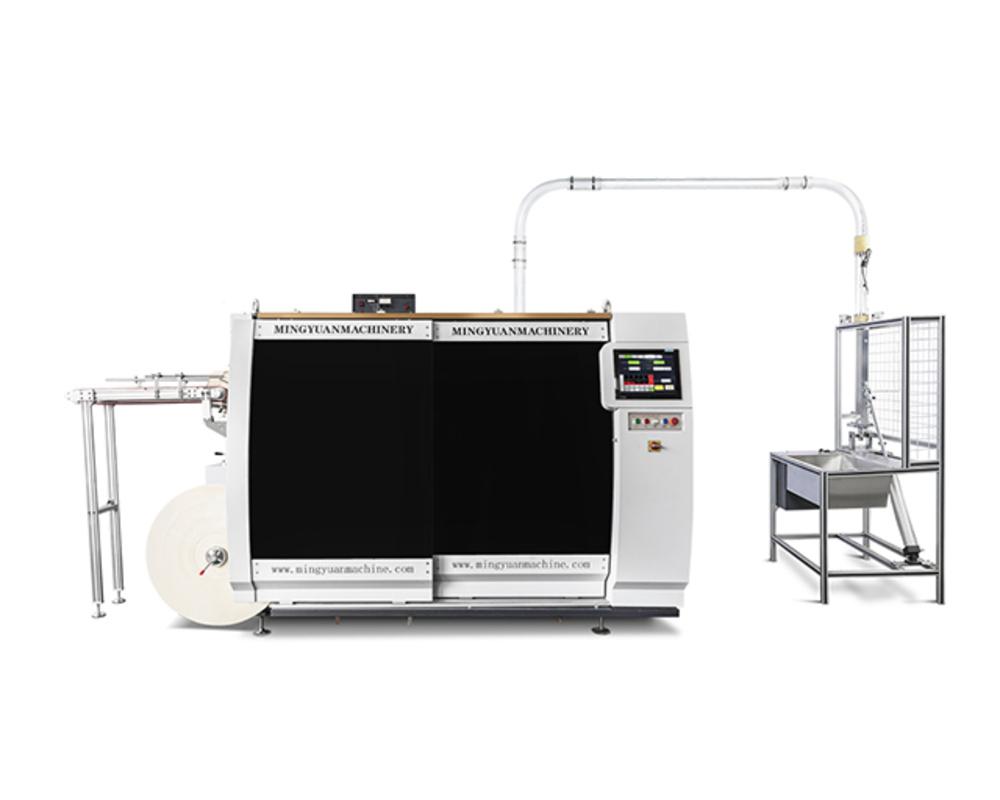
A coffee cup machine is often bought with one simple target: produce paper cups for cafes, beverage shops, bakeries, takeaway restaurants, and local packaging buyers. The difficult part is not only making a cup. The difficult part is choosing the cup sizes, material plan, printing method, packing style, and investment rhythm that can support repeat orders.
For a local distributor or a startup cup factory, coffee cups are attractive because they connect to daily consumption. But daily consumption also means strict delivery schedules, stable cup appearance, and predictable cost. The best equipment plan starts from the product mix and customer channel, not from the highest machine speed on a quotation sheet.
Quick Answer for Coffee Cup Buyers
If your customers mainly buy standard takeaway hot drink cups, start with a practical single wall coffee cup range and a reliable fan supply plan. If your customers ask for premium takeaway coffee, brand presentation, and better heat protection, add double wall cups after you confirm stable repeat orders. If your customers ask for many printed designs, then printing and die cutting control becomes more important than adding another forming machine too early.
A buyer comparing a paper cup machine for coffee cup production should prepare three things before confirming the equipment: main cup sizes, expected monthly orders by size, and whether the local market prefers plain cups, printed cups, or double wall cups. These three decisions decide molds, fan inventory, packing labor, and the real payback speed.
Why Coffee Cup Orders Need Product-Mix Thinking
Coffee cups are not one product. A cafe may use one size for espresso tasting, another size for regular takeaway coffee, another for iced drinks, and a stronger cup for hot drinks held for a longer time. A packaging distributor may receive orders from many small shops, each asking for a different logo, lid fit, carton quantity, or cup surface finish.
This is why a coffee cup machine buyer should think like a product planner. A narrow product mix reduces changeover pressure and raw material inventory. A wider mix can bring more customers, but it also increases molds, fan designs, packing labels, and stock management. Profit improves when cup variety matches real orders; profit falls when variety is created before demand is proven.
A coffee paper cup machine can support different cup sizes within its designed range, but buyers still need to plan the business side carefully. The factory must know which cups will move quickly, which cups should be made only after order confirmation, and which cups require a premium selling price because they need better material or more production steps.
Coffee Cup Product Mix for Local Distributors
Local distributors usually win orders through fast supply, flexible quantities, and familiar communication. They may not need to compete with very large factories on every size. Instead, they can build a product mix that answers common local beverage needs: standard hot drink cups, printed cups for small brands, double wall cups for premium coffee shops, and simple stock cups for urgent orders.
A practical starting mix can include two or three high-demand sizes rather than ten slow-moving sizes. The distributor can then test which sizes become repeat orders. Repeat orders are more valuable than a large catalog, because repeat orders reduce setup loss, stabilize fan purchasing, and make delivery planning easier.
- Keep one fast-moving stock cup for urgent orders from small beverage shops.
- Offer printed cup production only with clear minimum order rules and artwork approval timing.
- Add double wall coffee cups when customers can pay for the premium feel and heat protection.
- Separate trial orders from regular orders so small testing batches do not disturb stable production.
Which Cup Types Should Come First?
The right first product is usually the one with the clearest buyer, simple material supply, and repeatable packing requirement. A paper coffee cup making machine project becomes easier when the first cups have stable demand and limited design variation.
| Cup Type | Best Customer Fit | Buyer Benefit | Planning Risk |
|---|
| Plain single wall coffee cups | Small cafes, bakeries, takeaway shops | Fast startup, simple fan inventory, easy packing | Lower selling price if many suppliers sell the same cup |
| Printed branded coffee cups | Coffee brands, beverage chains, event suppliers | Higher customer loyalty and stronger repeat-order potential | Artwork approval, printing lead time, and fan stock control |
| Double wall coffee cups | Premium cafes and hot drink suppliers | Better hand feel and premium selling position | More process steps and higher material planning pressure |
| Small tasting or espresso cups | Coffee events, sampling, office beverage service | Useful add-on product for distributors | May be slow-moving if the local channel is limited |
For most new buyers, the safer first step is not to chase every coffee cup style. Start from the cups that can be sold repeatedly, then expand into custom printed and double wall products after the sales channel becomes clearer.
Paper Cup Fan Strategy for Coffee Cups
The paper cup fan plan affects cost before the coffee cup machine starts running. Buyers can purchase ready paper cup fans, buy printed paper cup fans from suppliers, or add printing and die cutting later. The correct choice depends on order stability, design variety, and cash flow.
| Fan Supply Method | When It Fits | Main Advantage | Main Limitation |
|---|
| Buy ready plain fans | Startup buyers and simple stock cups | Lower early investment and faster launch | Less control over paper grade, delivery, and supplier pricing |
| Buy printed fans | Stable printed orders with known designs | No need to invest in printing and die cutting immediately | Design changes and small orders may create delay or extra cost |
| Print and die cut in-house | Frequent custom designs and stable monthly volume | Better schedule control and stronger product customization | Higher equipment investment, staff training, and material management |
A useful rule is simple: do not add upstream printing and die cutting only because they look complete; add them when outside fan supply is slowing delivery, limiting design flexibility, or reducing margin on stable orders.
Coffee cup buyers often compare machine price first, but the cup profit is decided by every step from fan to packed carton. A simple calculation helps prevent wrong investment:
Packed coffee cup cost = usable fan cost + bottom paper + forming labor + setup waste + rejected cups + packing bag + carton + handling and stock cost.
This formula is not a fixed price model. It is a thinking tool. For example, a plain cup may have a lower selling price but lower setup waste. A printed cup may sell for more, but artwork changes, extra fan inventory, and slower order confirmation can increase real cost. A double wall coffee cup may support a premium price, but it also needs additional forming or sleeving steps and more packing attention.
The buyer should calculate profit by product group, not only by average cup. If one cup type looks profitable only when waste, packing labor, and unsold printed stock are ignored, it is not a reliable first product.
Buyer Scenarios and Suitable Starting Setups
Different buyers should not use the same coffee cup production plan. A startup factory needs lower complexity. A distributor with existing beverage customers needs faster delivery. A supplier already buying paper cup fans may need more control over forming and packing. The following guide can help buyers choose the right starting point.
| Buyer Situation | Recommended First Focus | Do Not Rush Into |
|---|
| Startup paper cup factory | Two or three standard coffee cup sizes, ready fan supply, simple packing | Too many printed designs before the first repeat customers appear |
| Local packaging distributor | Fast delivery stock cups plus selected printed cup service | Building stock for sizes that only one small customer uses |
| Coffee shop supplier | Stable cup-lid matching, attractive printing, reliable carton packing | Changing paper grade without testing actual drink use |
| Existing cup factory | Add double wall coffee cups, packing automation, or upstream control based on bottleneck | Buying another forming machine when packing or fan supply is the real delay |
Packing and Delivery: The Hidden Coffee Cup Bottleneck
Coffee cups are rarely sold as loose cups. Customers expect counted bags, labeled cartons, clean appearance, and predictable delivery. When forming output grows, manual counting and bagging can become the real bottleneck. This is especially common when the distributor handles several cup sizes and printed designs at the same time.
The practical output of a coffee cup production project should be measured as packed cups ready for delivery, not only cups formed per minute. If formed cups wait beside the machine because workers cannot count, bag, seal, and carton them fast enough, the factory has output on paper but delivery pressure in reality.
Before adding more forming capacity, buyers should ask whether packing staff can keep up during peak orders, whether carton labeling is clear, whether different printed cups are separated correctly, and whether the finished stock area has enough space. These details affect customer trust more than many buyers expect.
When to Upgrade Beyond One Coffee Cup Machine
A single coffee cup machine can be a good start, but it is not the final answer for every buyer. The upgrade path should follow the bottleneck. If the market is asking for premium hot drink cups, consider double wall coffee cup making machine planning. If printed orders are growing, study fan printing and die cutting. If delivery is delayed after forming, review packing automation.
- Upgrade to double wall cups when customers are willing to pay for premium appearance, better hand feel, and stronger hot drink positioning.
- Add printing and die cutting when custom designs become stable enough to justify control over paper cup fan preparation.
- Add packing equipment when formed cups are finished faster than workers can count, bag, seal, and carton them.
- Add another forming machine only when fan supply, operators, packing, and order volume can support the additional output.
Common Mistakes That Reduce Coffee Cup Profit
Most profit problems are created before production starts. They come from unclear customer planning, too many cup sizes, unstable fan purchasing, and weak packing design. A coffee cup machine cannot solve these problems alone.
- Choosing sizes without customer evidence. A size that looks common in another market may not move quickly in your city.
- Accepting very small printed orders without setup rules. The extra artwork, fan preparation, and production cleaning can remove the margin.
- Ignoring cup-lid matching. Coffee customers often care about leak risk and drinking experience, so cup size planning should include matching accessories.
- Using machine speed as the only comparison. Real output depends on material stability, setup time, inspection, packing, and finished stock handling.
- Buying a complete line too early. A full setup can be useful, but it should follow confirmed order pressure and clear bottleneck evidence.
Pre-Purchase Checklist
Use this checklist before confirming a coffee cup machine project. It keeps the discussion practical and helps the supplier recommend a suitable setup.
- List the first two or three coffee cup sizes you expect to sell repeatedly.
- Separate plain stock cups from printed custom cups in your sales plan.
- Confirm whether your first customers need single wall cups, double wall cups, or both.
- Prepare the expected monthly order quantity by size, not only total annual demand.
- Check paper cup fan supply options, delivery lead time, and minimum order requirements.
- Calculate packed cup cost using material, waste, labor, bagging, cartons, and storage.
- Decide how many cups will be packed per bag and how many bags will go into each carton.
- Plan the upgrade sequence: forming first, then printing/die cutting, double wall, or packing depending on your bottleneck.
If these answers are unclear, the buyer should slow down the equipment decision and clarify the first order plan. A better plan usually saves more money than negotiating a small discount on the wrong setup.
FAQ
Is a coffee cup machine different from a general paper cup machine?
In many projects, the forming principle is similar, but the business requirement is different. Coffee cup buyers usually care more about hot drink use, cup-lid matching, printed branding, double wall options, carton packing, and repeat orders from beverage channels.
Should a startup begin with printed coffee cups?
Printed cups can bring better customer loyalty, but they need artwork control, fan supply planning, and minimum order rules. For many startups, it is safer to start with standard cups and add printed service after customer demand becomes stable.
When does a double wall coffee cup making machine make sense?
It makes sense when the local market has premium coffee shops, hot drink brands, or customers willing to pay for stronger hand feel and better presentation. It should not be added only because it looks premium; it needs a buyer channel that can support the higher product cost.
Is paper cup fan supply more important than machine speed?
For many coffee cup projects, yes. Stable paper cup fan quality and delivery affect waste, forming stability, print appearance, and production scheduling. A faster machine cannot protect profit if the fan supply is unstable.
When should a buyer add a paper cup packing machine?
Add packing automation when formed cups wait for manual counting, bagging, sealing, or carton preparation. The decision should be based on packed-cup delivery pressure, not only on the forming machine output.
The Bottom Line
A coffee cup machine is most valuable when it supports a clear product mix, stable repeat orders, controlled paper cup fan supply, and efficient packing. Buyers should not treat coffee cups as one simple product. They should plan plain cups, printed cups, double wall cups, fan supply, packing, and upgrade timing as one connected production business.
The practical next step is to define your first three sellable cup products, calculate packed cup cost for each one, and then match the equipment plan to the product mix with the strongest repeat-order potential. This approach helps a startup factory or local distributor invest step by step instead of overbuying before the market is proven.




 Tel: +86-19057361870 / +86 577 65567060
  Email: george@paper-cupmakingmachine.com
 MP/WhatsApp: +86-19057361870
 Manufacturer Address:No.1588, Huaming Road, Feiyun Street,Ruian City Zhejiang Province -325200 China