Paper Cup Machine Acceptance Checklist From Material Trial to Stable Qualif
Author:MINGYUAN Paper Cup Machine SuppliersFROM:Disposable Cup Machine ManufacturerTIME:2026-08-13
MENU
A useful paper cup machine acceptance test follows one agreed cup specification through material confirmation, forming, sealing, inspection, counting, and changeover. The result should be judged from traceable samples and recorded conditions, not from a short no-load run or an isolated peak-speed display.
Define the acceptance sample before the trial
Start with the actual cup drawing, paper fan, bottom roll, coating condition, and packing expectation that the buyer intends to use. Cup volume alone is not a complete specification. Top diameter, bottom diameter, height, rim form, bottom geometry, paperboard condition, and coating side all affect tooling and process settings.
Evidence boundary: do not use an unapproved substitute material or a different cup size and then treat the trial as final acceptance. If a substitute is necessary, record it as a separate engineering trial and list what still needs confirmation.
Confirm paperboard, PE or water-based coating conditions
Check the paper fan and bottom roll before machine settings are evaluated. Review flatness, cut quality, storage condition, coating type and coating side, and whether the material matches the agreed forming route. PE-coated paper and water-based barrier paper can require different process windows; neither should be assumed interchangeable without a material trial.
Identify the exact material batch used in the trial.
Confirm fan dimensions and bottom-roll width against the cup drawing.
Record coating type and the side presented to each sealing operation.
Separate material defects from feeding, heating, or forming defects.
Trace every forming station, not only the finished cup
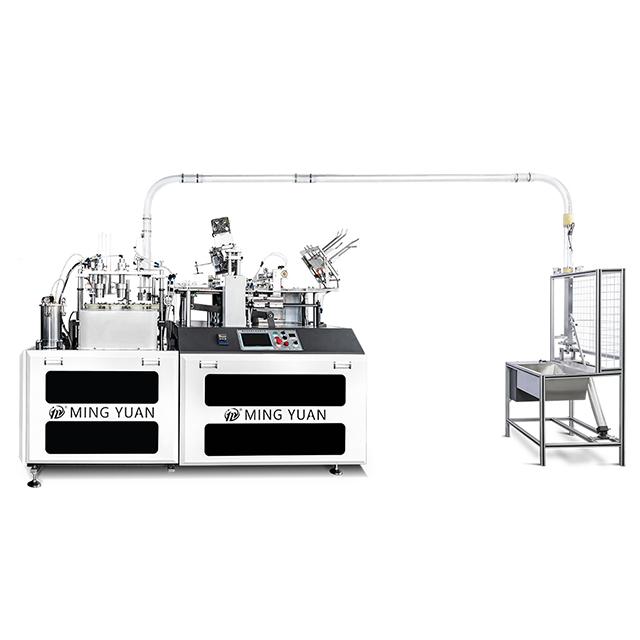
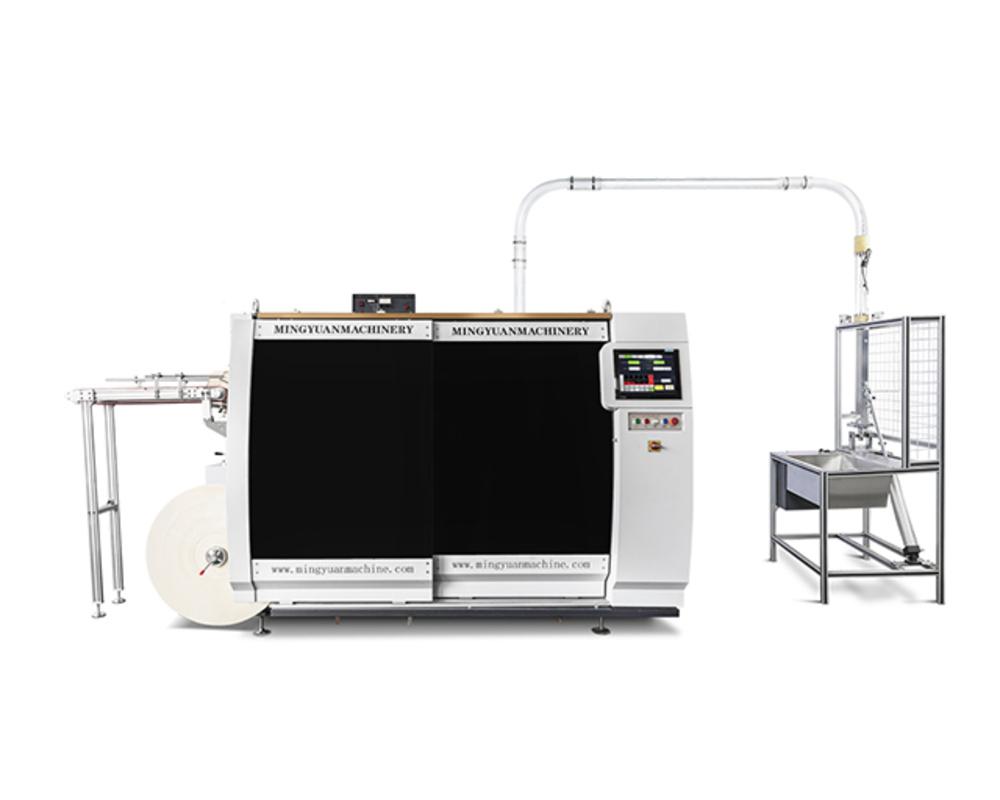
Observe paper-fan feeding and positioning first. A stable handoff should continue through cup-body forming and side sealing without double feeding, skewed placement, or uncontrolled marking. Then trace bottom-paper feeding and punching, bottom insertion, heating, knurling, rim curling, inspection or reject handling, and finally counting, collection, and packing handoff.
Feed: fan and bottom material arrive in the intended orientation and timing.
Form: cup body and side seam remain aligned with the approved geometry.
Seal: bottom heating and knurling are matched to the material and cup construction.
Finish: rim curling is visually consistent and compatible with downstream use.
Control: inspection, rejection, counting, and collection are demonstrated with records.
Judge stable qualified output instead of a peak number
The useful output of a paper cup line is the quantity of qualified cups produced under recorded conditions. A displayed machine speed does not by itself show acceptable production. The trial record should distinguish total formed cups, rejected cups, stoppages, adjustments, and the sample used for dimensional and sealing checks.
Acceptance item
What to observe
What to record
Feeding stability
Missed, doubled, or skewed material handoffs
Trial condition and observed event
Side seam
Alignment and sealing consistency
Sample identity and inspection result
Bottom formation
Insertion, heating, knurling, and leak-test result
Material batch and process condition
Rim curling
Shape, finish, and repeatability
Measured or visual acceptance method
Qualified output
Accepted cups over an agreed observation period
Counts, rejects, stops, and adjustments
Collection
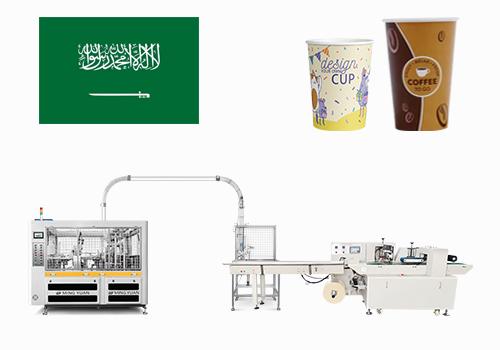
Counting and transfer to manual or automatic packing
Interface condition and exceptions
Verify changeover and tooling boundaries
A cup-size change can involve more than a recipe selection. Confirm which molds, guides, heaters, knurling parts, curling tools, bottom cutters, and feeding adjustments belong to each approved cup. The supplier and buyer should agree on the changeover boundary, required gauges, stored settings, safe access, and the sample approval method after restart.
Practical takeaway: treat a new cup geometry or a new barrier material as a controlled setup until the drawing, tooling, material, process settings, and resulting samples have been reviewed together.
Review factory layout, air, electricity, and interfaces
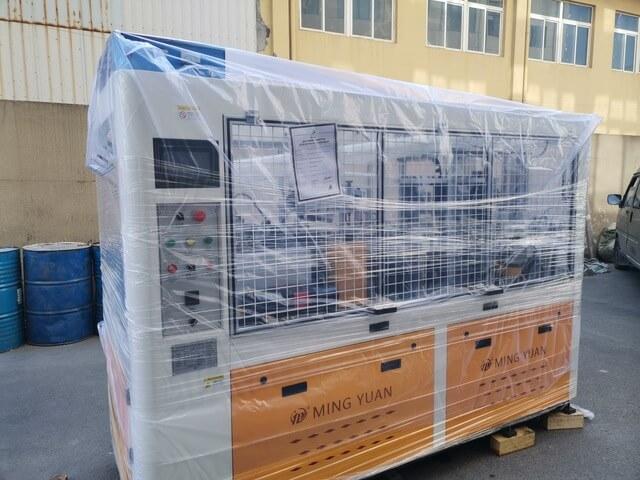
Acceptance also checks whether the equipment can be installed and supported in the buyer's factory. Confirm the approved footprint and operating clearances, material flow, finished-cup flow, maintenance access, electrical supply, compressed-air condition where applicable, ventilation or heat management, and the connection to counting, collection, or packing equipment. Values must come from the machine documentation and the buyer's site data; they should not be guessed from another model.
Close the trial with records, training, and maintenance actions
The final record should identify the machine, tooling set, cup drawing, material batch, trial date, operating condition, inspection method, accepted samples, open issues, responsible parties, and follow-up date. Operator training should cover normal startup and shutdown, safe adjustment boundaries, cleaning, lubrication, inspection points, consumable or wear-part checks, and the escalation path for repeated rejects.
Retain labelled reference cups and the approved drawing.
Record unresolved observations separately from accepted items.
Link maintenance frequency to the machine manual and actual operating environment.
Require a documented recheck after a material, mold, or major setting change.
Frequently Asked Questions
Is a no-load run enough for paper cup machine acceptance?
No. It can confirm basic motion, but material feeding, side sealing, bottom forming, rim curling, inspection, and qualified output require a controlled production trial with the agreed cup material.
Can one trial cover every cup size?
Only the tested drawing, tooling, material, and settings are directly evidenced. Additional sizes or constructions should be covered by their own agreed verification scope.
How should production speed be recorded?
Record the operating condition together with total output, qualified output, rejects, stops, and adjustments. A single peak display is not the same as stable qualified production.
Should PE-coated and water-based barrier paper use the same settings?
Do not assume so. Confirm the material construction and establish settings from a documented trial for the intended cup and sealing process.
Conclusion
A defensible paper cup machine acceptance test connects the cup drawing and material to every forming station, then records stable qualified output, changeover boundaries, utilities, training, and follow-up actions. This creates evidence that production teams can reuse after installation instead of relying on an undocumented demonstration.
To prepare a meaningful acceptance trial, provide the cup drawing or approved sample, top and bottom diameter, height, paper and coating condition, target output, factory layout, voltage, and compressed-air information. These details let the supplier define the tooling, material trial, and qualified-output record for your specific cup.
For a structured acceptance plan, review the solutions overview or contact the supplier with your cup drawing and material specification.




 Tel: +86-19057361870 / +86 577 65567060
  Email: george@paper-cupmakingmachine.com
 MP/WhatsApp: +86-19057361870
 Manufacturer Address:No.1588, Huaming Road, Feiyun Street,Ruian City Zhejiang Province -325200 China